

325
Love
🌺
Chilean Copihue Flower
Chile
Chile's national flower — a rare hanging bell-shaped blossom of the Andes forests associated with love, Chilean identity, and the wild beauty of the southern Pacific coast.
4.5Learn more →

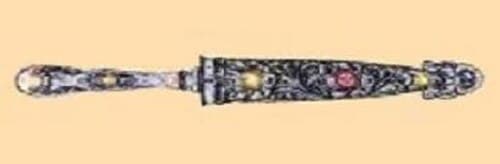
The iconic facón of the Argentine gaucho — a large sheath knife symbolizing autonomy, courage, and the free life of the Pampas horseman.
The gaucho facón is one of Argentina's most powerful cultural symbols — the large, heavy knife worn at the waist by the gauchos, the horsemen of the vast Pampas grasslands who became the mythic embodiment of Argentine identity much as the cowboy did for the United States. The facón (from the Spanish faja, 'sash') served practical purposes: butchering cattle, cutting leather, clearing brush, and unfortunately also serving in the duels that were part of gaucho culture's code of honor. A gaucho without his facón was considered incomplete, unprotected, and somehow not fully himself.
Gaucho culture developed from the 17th century onward, as escaped slaves, indigenous people, and European settlers mixed on the vast Argentine plains and developed a distinctive way of life centered on cattle, horses, and radical freedom from the constraints of colonial society. The gaucho became a figure of intense romantic appeal in Argentine literature and art — most famously in the epic poem 'Martín Fierro' (1872) — representing the independent spirit of a people who chose the open plain over the comfortable cage of civilization.
Miniature facón charms and decorative gaucho knife representations are popular Argentine souvenirs and luck charms. The knife symbolizes cutting through obstacles, decisive action, masculine courage, and the free spirit of the open plains. Traditionally crafted facones with silver handles, engraved blades, and fine leather sheaths are prized collector's items and family heirlooms.
The gaucho facón represents independence, courage, decisiveness, and the Argentine ideal of the free individual who needs only skill, a horse, and a good knife to face the world. It symbolizes the ability to cut through obstacles and problems with precision and bravery, and the self-reliance of a people forged on the open plain rather than in the comfortable security of established society.
Display a decorative miniature gaucho knife on your desk or work altar when you need to invoke decisiveness and courage. Give facón-themed gifts to Argentines as acknowledgment of their cultural heritage. For personal luck, carry a small silver knife charm when entering competitive situations where decisiveness and bold action will determine success. The knife energy cuts away hesitation.
The gaucho epic 'Martín Fierro' by José Hernández is so central to Argentine national identity that it has been called Argentina's 'national book,' and many Argentines can recite significant portions from memory. The poem's hero is defined by his facón, his guitar, and his defiance of unjust authority — a portrait of Argentine character that continues to resonate.
A small decorative gaucho knife charm or pendant is a respectful way to connect with Argentine culture and its symbolism of independence and decisiveness. Full-size facones are practical tools with legal restrictions varying by jurisdiction. Miniature decorative versions carry the cultural symbolism without the legal complexities.
Traditional facones are valued for their handcrafted quality: hand-forged blades from quality steel, handles made of stag horn, bone, or silver-plated metal, hand-stitched leather sheaths with silver fixtures. Argentine silver smiths of the Pampas region developed distinctive engraving styles for the silver work that are considered fine art. Age, craftsmanship, and provenance determine value.
Both are cattle-herding horsemen of vast plains, but the cultural context differs significantly. The American cowboy is often associated with frontier conquest and westward expansion. The Argentine gaucho is more deeply tied to themes of resistance to authority, mixed-race identity (European, indigenous, and African ancestry), and a philosophical melancholy — 'tristeza gaucha' — about the loss of the free plains life to modern commerce.
Chile
Chile's national flower — a rare hanging bell-shaped blossom of the Andes forests associated with love, Chilean identity, and the wild beauty of the southern Pacific coast.

Colombia (Muisca and other pre-Columbian civilizations)
The sacred gold-copper alloy of Colombia's pre-Columbian peoples — the metal behind the El Dorado legend and some of the most extraordinary goldwork in world history.

Peru (Chimú and Inca civilization)
The iconic ceremonial sacrificial knife of ancient Andean civilization, now a symbol of Peruvian identity and good fortune.

