

323
Wealth
✨
Colombian El Dorado Charm
Colombia
A golden charm invoking the legendary abundance of El Dorado — the golden kingdom that symbolizes the ultimate state of material and spiritual wealth.
4.5Learn more →


The sacred gold-copper alloy of Colombia's pre-Columbian peoples — the metal behind the El Dorado legend and some of the most extraordinary goldwork in world history.
Tumbaga is the name given by Spanish conquistadors to the gold-copper alloy used by Colombia's pre-Columbian peoples, including the Muisca, Zenú, Quimbaya, and Tairona cultures, to create objects of astonishing beauty and spiritual power. Unlike the pure gold preferred in Europe and Asia, Andean and Colombian smiths discovered that alloying gold with copper produced a metal with superior working properties — more malleable, able to hold finer detail, and capable of being surface-treated to achieve the appearance of pure gold through a process called depletion gilding.
The quantity and quality of gold objects produced by Colombia's pre-Columbian cultures was extraordinary enough to generate the El Dorado legend — the myth of a city or king of gold that drove Spanish conquistadors to suicidal expeditions through jungle and mountain. The Muisca ritual of El Dorado ('the golden one') involved the new chief of the Guatavita Lake region being covered in gold dust and then diving into the sacred lake while attendants threw golden offerings after him — a ceremony of such spectacular wealth that the Spanish could barely believe accounts of it.
The Museo del Oro (Gold Museum) in Bogotá, Colombia, holds over 55,000 pre-Columbian gold and tumbaga objects, the largest collection of pre-Columbian goldwork in the world. Today, tumbaga-inspired jewelry and gold charms from Colombia are prized both for their material quality and for their connection to this extraordinary civilizational legacy.
Colombian tumbaga represents the extraordinary achievement of civilizations that transformed the earth's treasures into objects of divine beauty. It carries the energy of El Dorado — not as a place of limitless greed but as a spiritual state of absolute abundance and sacred connection to the earth's gold. As a wealth charm, tumbaga objects draw the specific Colombian energy of gold's sacred economic and spiritual power.
Wear tumbaga-inspired Colombian gold jewelry to carry the energy of this extraordinary metalworking tradition. Place a small pre-Columbian-style gold figure on your abundance altar. Research the specific figures in the Museo del Oro's collection that most resonate with your prayers — Muisca votive figures (tunjos) were created as specific prayers, and their forms carry that intention.
When the Spanish conquistador Gonzalo Jiménez de Quesada conquered the Muisca confederation in 1537, he found villages with vast stores of gold and emeralds. The Muisca had developed the most sophisticated gold-working tradition in South America, including lost-wax casting (cire perdue) of extraordinary intricacy — a technique rediscovered in Europe only in the Renaissance. The Muisca were making objects the Europeans couldn't technically match.
The Museo del Oro in Bogotá, Colombia, is the definitive destination for seeing the world's finest collection. Branch Museo del Oro locations exist in Santa Marta, Manizales, Pasto, and other Colombian cities. The Metropolitan Museum of Art in New York and the British Museum also hold significant Colombian pre-Columbian collections.
Colombia has a thriving gold jewelry tradition that both draws from and extends beyond pre-Columbian forms. Some contemporary Colombian goldsmiths deliberately reference Muisca and Quimbaya designs; others work in fully contemporary styles. The country's Antioquia region (around Medellín) has been a gold-working center for centuries and produces high-quality jewelry with deep traditional roots.
El Dorado began as an account of the actual Muisca ritual of El Dorado (the golden man) at Lake Guatavita. The Spanish distorted this into a myth of an entire city or kingdom of gold. Dozens of expeditions killed thousands of people searching for this mythical place. While El Dorado as a city never existed, the actual wealth of Colombia's pre-Columbian cultures was extraordinary — the reality was more remarkable than the legend.
Colombia
A golden charm invoking the legendary abundance of El Dorado — the golden kingdom that symbolizes the ultimate state of material and spiritual wealth.
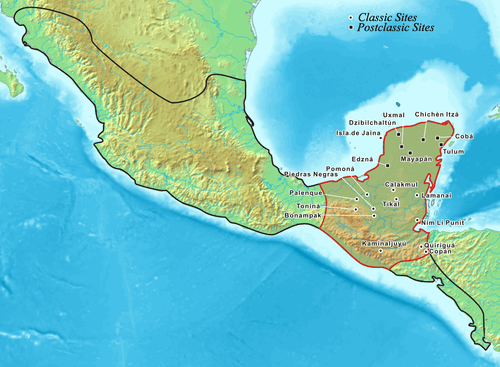
Guatemala and Mexico (Maya civilization)
The sacred green stone of Maya royalty, associated with immortality, royal power, and the life-giving force of the maize god.

Peru (Chimú and Inca civilization)
The iconic ceremonial sacrificial knife of ancient Andean civilization, now a symbol of Peruvian identity and good fortune.

