

4
Wealth
🐱
Maneki-neko (Lucky Cat)
Japan
The beckoning cat is Japan's most iconic good-luck charm, believed to wave fortune, customers, and prosperity into any space it occupies.
4.9Learn more →

From the grinning Maneki-neko to the mythical Money Frog, discover the ten lucky charms that cultures worldwide have relied upon for centuries to invite prosperity into their lives.
Across every continent and throughout recorded history, human beings have sought tangible symbols to help them attract abundance. Whether you approach lucky charms with spiritual conviction or simply enjoy the ritual and mindset they inspire, there is no denying the fascinating global tradition of wealth-drawing objects. Here are the ten most enduring and widely revered lucky charms for attracting financial prosperity.
Few symbols are as globally recognisable as Japan's beckoning cat, the Maneki-neko. Displayed in shop windows from Tokyo to Toronto, this ceramic or plastic cat raises one paw in a perpetual gesture of welcome. According to tradition, the raised left paw attracts customers and good luck, while the raised right paw draws money directly into the home or business. Gold-coloured versions are considered especially potent for wealth attraction.
The legend most often cited traces back to the Edo period, when a destitute temple cat beckoned a wealthy feudal lord out of the rain just before lightning struck the spot where he had been standing. In gratitude, the lord patronised the temple, and the cat became enshrined as a symbol of good fortune.
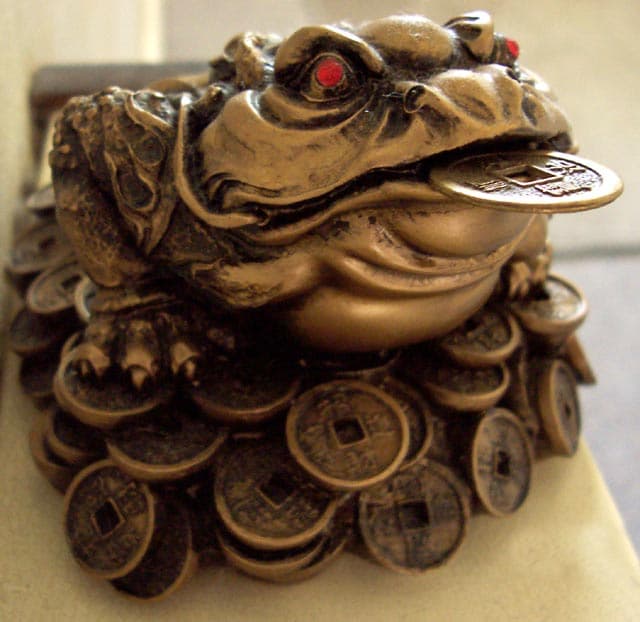
The three-legged Money Frog, or Jin Chan, sits at the very heart of Chinese feng shui wealth practice. Typically depicted sitting on a pile of coins with a coin in its mouth, this mythical creature is said to appear on the nights of a full moon, near homes or businesses that are about to receive good news — often in the form of financial windfall.
Placement matters enormously. Feng shui masters advise keeping the Money Frog facing inward (not toward the door), positioned in the wealth corner of your home, which is the southeast corner according to the bagua energy map.
Known in crystal healing circles as the "Merchant's Stone", citrine is a yellow-to-orange variety of quartz that has been associated with abundance and success since antiquity. Ancient Romans wore it as a talisman for prosperity, and medieval merchants kept it in their cash boxes to multiply their earnings.
Unlike many crystals, citrine is said never to absorb negative energy — it only transmutes and radiates positive, wealth-attracting vibrations. Place a citrine cluster in the wealth corner of your office or carry a small tumbled piece in your wallet for a daily reminder of your financial intentions.
Though often confused with the historical Buddha, the Laughing Buddha (Budai or Hotei) is actually a beloved folkloric Chinese monk who is said to wander the earth bringing happiness and abundance to all he meets. His enormous belly symbolises contentment and wealth; rubbing it is believed to bring good luck in return.
The number of items he carries also matters: a Laughing Buddha holding a gold ingot or a sack brimming with treasures is specifically associated with monetary fortune.
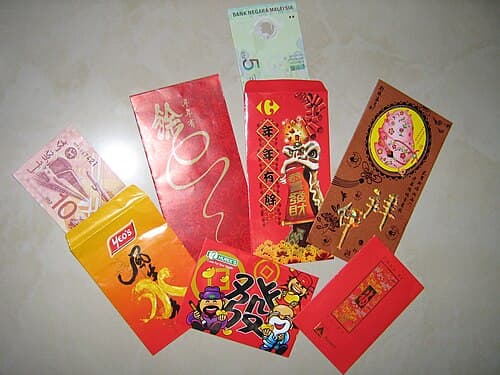
During Lunar New Year and other auspicious occasions, red envelopes filled with money are exchanged across East Asia. The red envelope itself has become a powerful symbol of wealth transfer and good fortune. Keeping an empty red envelope in your wallet, or hanging decorative ones near your front door, is believed to invite the energy of abundance into your financial life throughout the year.
In Western folk tradition, finding a penny heads-up on the ground is an omen of good luck. The belief originates from ancient times when metals were thought to be gifts from the gods, imbued with protective power. A lucky penny kept in a wallet or purse — particularly one found unexpectedly — is said to multiply wealth over time.
Some traditions specify that a penny minted in a leap year carries extra luck, while others hold that a penny from your birth year makes the most potent talisman.
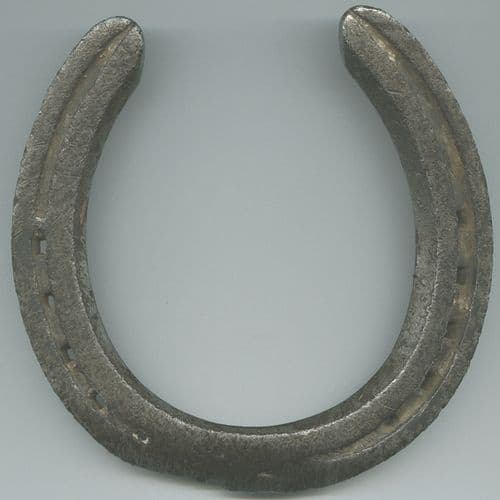
Long before it became a barn door decoration, the horseshoe was considered one of the most powerful luck-attracting symbols in European tradition. The iron from which it is made was believed to repel evil spirits, and its crescent shape echoed the protective power of the moon.
Hung with the opening pointing upward, a horseshoe is said to collect and hold good fortune like a cup. Pointed downward, it pours luck over whoever passes beneath it — a matter of lively debate among charm enthusiasts.
Revered across South and Southeast Asia, the elephant represents wisdom, strength, and prosperity. In Hindu tradition, Lord Ganesha — the remover of obstacles — takes elephant form and is invoked before any new financial venture. An elephant figurine placed near the entrance of a home or business, with its trunk raised, is believed to trumpet good fortune into the space.
A staple of feng shui decoration, lucky bamboo (technically Dracaena sanderiana) is said to attract positive chi, particularly when arranged in specific numbers of stalks. Three stalks invite happiness, wealth, and longevity; five stalks promote prosperity across five areas of life. Easy to grow and aesthetically striking, it makes an ideal living lucky charm for any workspace.
Ancient Egypt's most potent amulet, the scarab beetle was associated with Khepri, the god of the rising sun, and by extension with rebirth, regeneration, and the cyclical renewal of wealth. Pharaohs wore scarab rings; merchants carried scarab seals. Today, a scarab amulet in gold or lapis lazuli is considered a sophisticated and historically grounded wealth charm.
Owning a lucky charm is only the beginning. The most enduring traditions surrounding these objects emphasise intention setting: when you acquire a charm, take a moment to hold it, state your financial goals clearly in your mind, and commit to the actions that will help you achieve them. The charm then serves as a daily reminder of that commitment.
Cleansing your charms regularly — by rinsing crystals in salt water, smudging figurines with sage, or simply placing them in sunlight — is also recommended by many traditions to clear away stagnant energy and refresh their power.
Whether you believe in their mystical properties or value them purely as motivational objects, wealth charms have helped billions of people throughout history maintain a prosperity-focused mindset. And as any financial coach will tell you, your mindset is where every fortune begins.
Japan
The beckoning cat is Japan's most iconic good-luck charm, believed to wave fortune, customers, and prosperity into any space it occupies.
China
The three-legged toad sitting on coins with a coin in its mouth is one of feng shui's most potent wealth activators, said to attract money and prevent it from leaving.

Brazil
The golden abundance crystal, known as the Merchant's Stone, carried to attract wealth, success, and the warm energy of solar prosperity.

China
The Laughing Buddha — the round, joyful, sack-carrying monk — is China's most beloved symbol of happiness, wealth, and the simple abundance that comes from contentment.
China
The red envelope (hongbao) is China's most universal good-fortune gift, transferring luck and blessings along with cash at every major life celebration.

United Kingdom
The humble copper coin that promises a turn of fortune when found heads-up.
United Kingdom
An iron crescent hung above doorways to catch and hold good luck.

China
Lucky Bamboo is a feng shui staple believed to bring good fortune, prosperity, and positive energy when placed in the home or office.

Egypt
The sacred Egyptian beetle of Khepri, symbol of transformation, rebirth, and the rising sun.
Behind the mysticism lies a massive commercial machine. From Murano glass evil eyes to mass-produced Maneki-neko, the global lucky charm industry generates over $30 billion annually. Here is how the business of luck really works.
Are lucky charms mere superstition, or is there real psychology — and perhaps even neuroscience — behind why they work? The answer may surprise you.
Your workspace shapes your financial destiny more than you might think. Learn how to apply ancient feng shui principles and the right lucky charms to transform your home office into a magnet for opportunity and prosperity.

