

469
Health
🌿
Bael Leaf
India
The three-leafed bael tree is Lord Shiva's favorite offering and one of the most sacred plants in Shaivite Hinduism.
4.5Learn more →


Turmeric root is a sacred healing spice used as a talisman for purification, protection, and auspicious new beginnings.
Turmeric (Curcuma longa) occupies a singular position at the intersection of the sacred and the medicinal in South and Southeast Asian cultures. Its vivid golden-yellow color associates it with the sun, gold, and divine light — in Hindu tradition, its color is identified with Vishnu and prosperity. Turmeric is used to purify everything from wedding rituals to new homes, from ritual bathing to the preparation of new altars. A whole turmeric root (not powdered) kept in the home's prayer room or buried under the threshold is believed to provide continuous purification and protection.
The haldi ceremony (turmeric ceremony) at Hindu weddings, in which turmeric paste is applied to the bride and groom before marriage, is believed to cleanse them spiritually of past burdens, purify their bodies, and prepare them for the sacred transition of marriage. Similar pre-wedding turmeric rituals appear across Indonesian, Malaysian, and Filipino cultures, suggesting the practice spread throughout the region via Indian maritime trade routes. The shared use of turmeric in betrothal ceremonies across wildly different cultures is a remarkable example of botanical convergence in folk spirituality.
As a physical talisman, a single dried turmeric root is considered powerful enough to purify a space, drive away spirits, and attract prosperity when kept on an altar. The root's shape — somewhat resembling a finger with multiple branches — is thought to mirror the hand of a deity offering blessings. In some regional traditions, drawing with turmeric paste on doorways creates protection similar to that of kumkum, with the added property of sanitation (turmeric's antibacterial properties are extensive).
Purification, healing, divine golden light, auspicious preparation for major transitions, and the transformation of spaces and people from impure to sacred.
Keep a whole dried turmeric root in your puja space or safe. Use turmeric paste to draw protective marks on doorways during Diwali and other festivals. Add a pinch of turmeric to milk (golden milk) daily for immunity and spiritual alignment. Bury a turmeric root under the threshold of a new home before moving in.
Modern clinical trials have confirmed that curcumin, the active compound in turmeric, crosses the blood-brain barrier and has measurable neuroprotective effects. Epidemiologists studying Alzheimer's disease rates have noted that in regions of South Asia where turmeric consumption is highest, rates of cognitive decline are among the world's lowest — suggesting the folk wisdom of daily turmeric consumption has real neurological merit.
For daily medicinal use, fresh root is preferred. For long-term talismanic use on an altar, dried root is more practical. For ritual applications like haldi ceremonies, turmeric powder mixed with oil or water creates the paste. A dried root on the altar is considered to release slow, continuous protective energy.
Kasturi manjal (wild turmeric, Curcuma aromatica) is considered more potent and sacred in South Indian tradition, used primarily for ritual and cosmetic purposes rather than cooking. It has a distinct fragrance and is applied to the body during auspicious ceremonies. It is kept separate from kitchen turmeric in observant households.
Yes. Burning dried turmeric and letting the smoke pass around a person is a traditional method of removing nazar (evil eye) in South Indian tradition. The smoke is believed to absorb and neutralize the negative energy. The procedure is called dhrishti pariharam and is performed by elders in many households.
India
The three-leafed bael tree is Lord Shiva's favorite offering and one of the most sacred plants in Shaivite Hinduism.
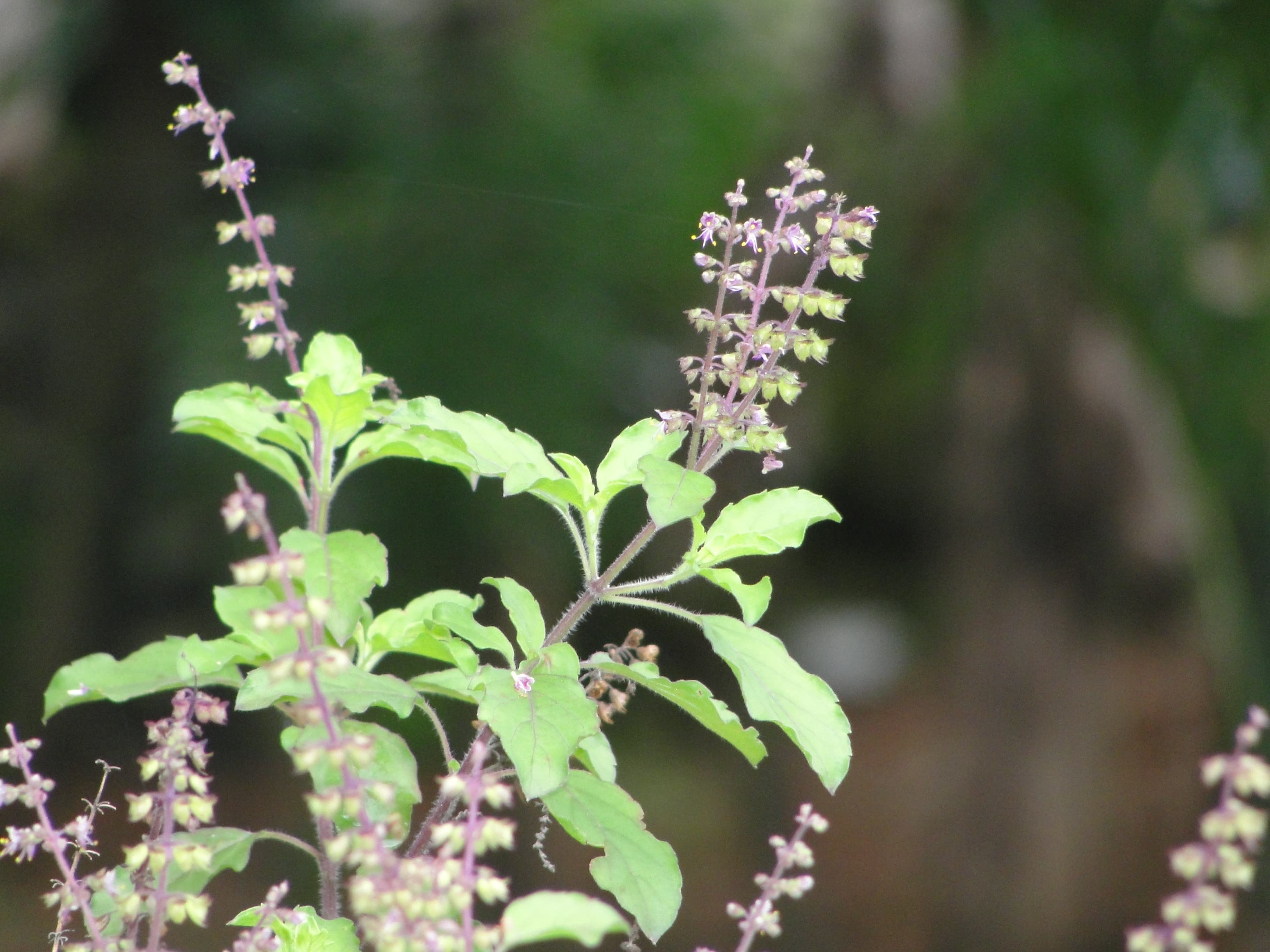
India
The holy basil plant is considered the earthly manifestation of the goddess Lakshmi and the most sacred plant in the Hindu home.

India
The world's first widely used currency, cowrie shells have been symbols of wealth, fertility, and divine feminine power across Asia for millennia.

India
Camphor burned in prayer rituals purifies the atmosphere, burns completely without residue symbolizing the ego's dissolution, and is the most complete offering to the divine.

