

199
Love
🌷
Turkish Tulip
Turkey
The Ottoman empire's sacred flower — the tulip that conquered Europe — symbol of divine beauty and perfect love.
4.4Learn more →


The beloved tulip of Hungarian folk art — a symbol of love, spring renewal, and the flowering of life's gifts.
The tulip holds a central place in Hungarian folk art that no other flower approaches. Embroidered on blouses, carved into furniture, painted on pottery, and worked into architectural ornament, the Hungarian tulip (tulipán) became the visual signature of the nation's folk culture between the 16th and 19th centuries. Hungarian craftswomen developed the tulip as their primary decorative vocabulary during the Ottoman occupation, ironically adopting the Turks' favorite flower and transforming it into a distinctly Magyar symbol.
As a lucky charm, the Hungarian tulip carries concentrated love energy — it is the flower given between sweethearts, embroidered on wedding chests, and used to decorate the hope chest (stájer láda) a bride brought to her marriage. A tulip charm given in courtship is a declaration of deep feeling; kept in the home, it sustains romantic energy and domestic warmth.
In Hungarian folk belief, a tulip with three blooms represents the Trinity's blessing on love; a single tulip represents singular devotion. Red tulips attract passionate love, white ones bless pure and enduring affection, and the folk art's characteristic dark red tulip represents the full depth of human feeling.
Romantic love, spring renewal, the flowering of life's gifts, devotion, and the beauty that emerges from patience and tending.
Give a tulip charm to someone you love to declare your devotion. Place tulip motif items in the bedroom to sustain romantic energy. During spring, hold a tulip charm and plant an intention for the season's new beginning. Embroider or trace a tulip when seeking creative inspiration.
The Dutch tulip mania of 1636-1637 — history's first recorded speculative bubble — was fueled partly by tulip bulbs imported via Hungarian and Ottoman trade routes. At its peak, a single rare tulip bulb sold for the equivalent of a skilled craftsman's decade of wages.
Red for passionate new love, dark red for deep existing love, pink for friendship growing into romance, and white for pure, lasting devotion. The traditional Hungarian folk art dark red is most powerful overall.
Absolutely. In Hungarian folk tradition, men embroidered tulips on their shirts and decorated their pipe cases with the motif. It is a human symbol of love and beauty, not gender-specific.
Most powerfully in spring when tulips bloom naturally. For love attraction, use on Fridays (Venus's day). To sustain a relationship, keep one continuously in the shared bedroom.
Turkey
The Ottoman empire's sacred flower — the tulip that conquered Europe — symbol of divine beauty and perfect love.
Hungary
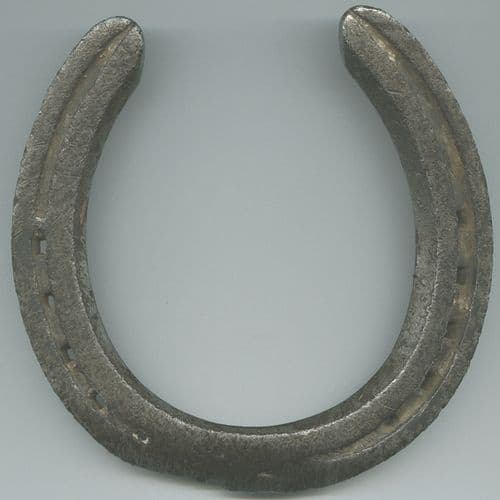
The Magyar horseshoe charm bearing Pannonian luck traditions from Hungary's equestrian heritage.

Romania
Romania's beloved spring charm — a red and white cord worn from March 1st to welcome new beginnings and health.

