

391
Love
🌷
Hungarian Tulip Motif
Hungary
The beloved tulip of Hungarian folk art — a symbol of love, spring renewal, and the flowering of life's gifts.
4.4Learn more →

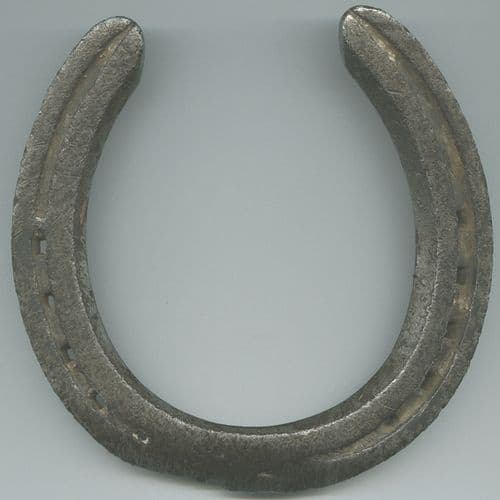
The Magyar horseshoe charm bearing Pannonian luck traditions from Hungary's equestrian heritage.
Hungary's identity is inseparable from the horse — the Magyar tribes who swept into the Carpathian Basin in 895 CE were among history's most skilled horsemen, and equestrian culture permeated every aspect of Hungarian life for a millennium. The horseshoe consequently became one of Hungary's most powerful folk talismans, carrying both practical and spiritual associations with the horse's strength, speed, and loyal service.
Hungarian horseshoe charms are typically decorated with folk art motifs — flowers, birds, and geometric patterns — distinguishing them from plain iron horseshoes. The decoration adds intentionality: each motif layer adds a specific blessing. A horseshoe decorated with tulips brings luck in love alongside general fortune; one with wheat sheaves blesses the harvest and livelihood; one with birds attracts freedom and opportunity.
In Hungarian villages, horseshoes have traditionally been hung above barn doors and stables as well as household entrances, blessing both animals and humans together. The Magyar equestrian tradition held that a horse's luck was the family's luck — the horseshoe was a daily reminder of this sacred partnership.
Equestrian heritage, accumulated fortune, protection of home and livestock, the loyalty between humans and the creatures who serve them.
Hang a Hungarian horseshoe charm above your door with points upward, and touch it each time you enter with an intention for the day's fortune. Decorated versions are excellent wedding gifts. Carry a small version when traveling on business to attract the Magyar horseman's swift success.
The Hungarian words for luck (szerencse) and horse (ló) appear together in so many folk sayings that linguists have traced Hungary's optimistic cultural outlook in part to the deep psychological identification with the horse's power and unpredictability across generations of equestrian culture.
Hungarian horseshoes are typically decorated with folk art motifs — tulips, birds, geometric patterns — making them intention-layered objects. Russian horseshoes are usually plain iron, relying on the metal's protective qualities alone.
Yes. Tulips for love and family, wheat for livelihood, birds for freedom and opportunity, stars for divine guidance, and hearts for emotional warmth. Multiple motifs combine their blessings.
Hungarian tradition favors a horseshoe actually used by a horse, as it carries the horse's labor blessing. New ornamental horseshoes compensate with decoration and intention-setting.
Hungary
The beloved tulip of Hungarian folk art — a symbol of love, spring renewal, and the flowering of life's gifts.
Russia
The Russian iron horseshoe hung points-up above doorways to catch and hold good fortune.

Romania
Romania's beloved spring charm — a red and white cord worn from March 1st to welcome new beginnings and health.

