

384
Protection
✝️
Armenian Khachkar Cross
Armenia
Armenia's elaborately carved stone cross-slabs — among the world's most intricate sacred art forms, each a unique prayer in stone.
4.7Learn more →


St. Nino's grapevine cross — Georgia's most sacred Christian symbol, made from grapevines bound with the saint's own hair.
The Georgian grapevine cross (Georgian: ვაზის ჯვარი, vazis jvari) is one of Christianity's most distinctive sacred objects. According to Georgian tradition, St. Nino — the Cappadocian woman who converted Georgia to Christianity in 327 CE — fashioned a cross from grapevines, bound together with her own hair because she had no rope. The cross's distinctive drooping arms reflect the weight of grapevines and the saint's hair, creating a form unlike any other Christian cross.
Georgia's deep connection between viticulture (Georgia has the world's oldest wine-making tradition, 8,000 years old) and Christianity makes the grapevine cross especially resonant. Christ's metaphor of 'I am the vine, you are the branches' (John 15:5) is experienced literally in Georgia, where grapevines are sacred plants and wine is a sacramental substance in the most genuine sense.
As a lucky charm, the Georgian grapevine cross combines Christian protection with the ancient pre-Christian power of the sacred vine. It is Georgia's most distinctive and beloved amulet, worn by Georgian Orthodox Christians worldwide and carried as both spiritual protection and a connection to Georgian national identity. The cross's unique form marks its wearer as someone carrying a very specific, ancient blessing.
Divine protection, the sacred feminine strength of St. Nino, Georgia's ancient Christian faith, the blessing of the vine, and the connection between natural abundance and spiritual grace.
Wear a Georgian grapevine cross for spiritual protection and as a declaration of faith in the Georgian Orthodox tradition. Place one in the home's prayer corner or icon corner. Georgian Christians kiss the cross upon morning prayer and when entering a church.
The original grapevine cross made by St. Nino is preserved in Mtskheta's Svetitskhoveli Cathedral and is considered Georgia's holiest relic. Pilgrims travel from across the world to venerate it. Georgia's 2023 UNESCO submission for ancient Georgian polyphonic singing and qvevri wine-making were both partly grounded in the spiritual significance of the vine — a cultural thread running 8,000 years unbroken.
The grapevine cross is specifically Georgian Orthodox but its energy of sacred feminine courage and divine protection through natural means resonates universally. Non-Orthodox users should approach it with genuine respect for its sacred origin.
Traditional ones use actual grapevine wood. Silver and gold versions are worn as jewelry. The most authentic combine vine wood with silver or gold accents. Avoid purely decorative versions with no craft connection to the original form.
Yes — the drooping arms are distinctive and theologically significant, representing the humble posture of faith (head bowed) rather than the triumphant posture of many Western crosses. The vine material adds a layer of natural, earthy holiness specific to Georgian theology.
Armenia
Armenia's elaborately carved stone cross-slabs — among the world's most intricate sacred art forms, each a unique prayer in stone.

Armenia
Armenia's beloved national fruit — the pomegranate representing fertility, prosperity, and the blessing of 365 seeds for each day of the year.
Greece
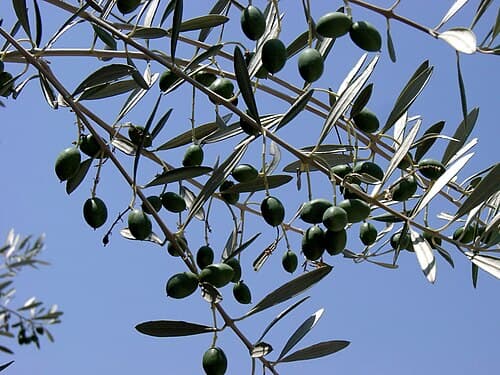
The sacred olive of Athena — symbol of peace, wisdom, abundance, and civilization's deepest roots.

