
248
Success
🧵
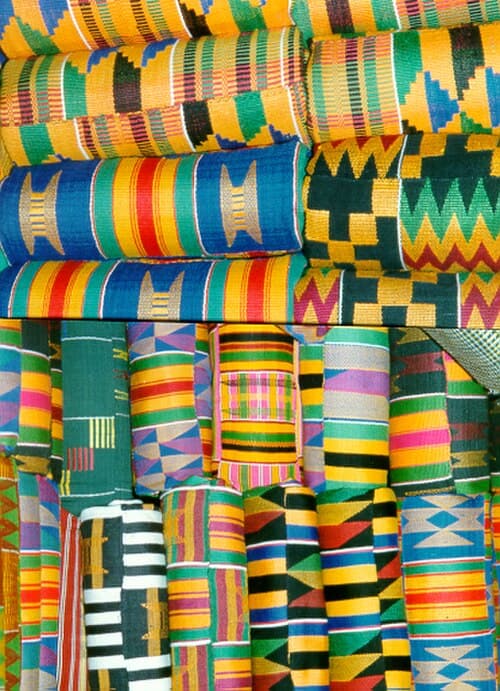
Kente Cloth Charm
Ghana
Woven silk and cotton fabric of the Akan whose patterns encode proverbs, royal achievements, and ancestral pride.
4.8Learn more →


Symbol of the Ashanti Empire's sacred Golden Stool — repository of the nation's soul and ultimate emblem of royal power.
The Sika Dwa Kofi — the Golden Stool of the Ashanti — is one of the most sacred objects in African history. According to Ashanti tradition, the Golden Stool descended from heaven in the late 17th century during the reign of the great ruler Osei Tutu, called down by the priest Okomfo Anokye to rest on Osei Tutu's knees rather than on the ground — a miraculous event that declared him the legitimate king of all Ashanti. The stool is believed to contain the sunsum (spirit or soul) of the entire Ashanti nation — all past, present, and future Ashanti people. It is so sacred that no human being, not even the Asantehene himself, may sit upon it.
National unity and the collective soul of the Ashanti people, legitimate divine authority, the unbreakable spirit of a nation, and sacred kingship as divinely ordained.
Display representations of the Golden Stool symbol in spaces dedicated to community leadership, national or cultural pride, and ancestral honor. Use it as a focal point for prayers seeking collective wellbeing and the strength of unity. The symbol is particularly potent for those in leadership roles who seek to serve with integrity.
In 1900, British colonial Governor Frederick Hodgson demanded to sit on the Golden Stool as a symbol of colonial dominance over the Ashanti. This single act of cultural ignorance ignited the War of the Golden Stool, led by the queen mother Yaa Asantewaa — one of Africa's greatest female military leaders. The Ashanti never surrendered the stool, and it remains in Kumasi to this day.
The actual Golden Stool is kept in strict seclusion and is only displayed publicly at the most important Ashanti state ceremonies, even then never touching the ground and never sat upon. Replicas and symbolic representations are used in educational and artistic contexts.
The Asantehene (king) is the guardian of the stool, not its owner. He rules on behalf of the stool, which is the actual 'owner' of Ashanti sovereignty. When the king dies, the stool continues; when a new Asantehene is enthroned, he becomes the stool's new guardian.
Yes — every chief and queen mother has a personal black stool that is blackened with a mixture of egg and soot after their death and kept in the royal stool house as an ancestral shrine. The blackened stools of past rulers are among the most sacred objects in Ashanti religious life.
Ghana
Woven silk and cotton fabric of the Akan whose patterns encode proverbs, royal achievements, and ancestral pride.

Ghana
The supreme Akan symbol meaning 'Except for God' — a declaration of divine supremacy and protection.

Ghana
Miniature brass figures used to weigh gold dust — encoding Akan proverbs and wisdom in tiny sculptural form.

