

4
Wealth
🐱
Maneki-neko (Lucky Cat)
Japan
The beckoning cat is Japan's most iconic good-luck charm, believed to wave fortune, customers, and prosperity into any space it occupies.
4.9Learn more →

From a destitute Edo-period temple to shop windows on every continent, trace the remarkable journey of the beckoning cat and discover why it remains the most universally beloved wealth charm in the world.
Walk into almost any restaurant, nail salon, bookshop, or corner store anywhere in the world, and the chances are good that somewhere near the cash register you will spot a small ceramic or plastic cat, one paw raised in a gentle, perpetual wave. This is the Maneki-neko — literally "beckoning cat" in Japanese — and it has become perhaps the single most universally recognised lucky charm on earth.
Its ubiquity is staggering when you consider that just a few centuries ago it was a purely local Japanese folk object. How did a cat from the backstreets of Edo conquer the world's imagination? The story is part legend, part savvy commerce, and part universal human longing for a bit of good fortune.
There is no single definitive origin story for the Maneki-neko, but several compelling legends have been told and retold across generations.
The most widely cited origin involves a feudal lord (some versions say the warlord Ii Naotaka) who was sheltering under a tree near the Gotokuji Temple in what is now Tokyo's Setagaya district. A cat belonging to the impoverished temple priest sat at the temple gate and seemed to beckon to the lord. Curious, the lord followed the cat inside just as a lightning bolt struck the tree where he had been standing.
In gratitude for his life being saved, the lord became the temple's patron, endowing it with wealth and grounds. When the cat died, a statue was erected in its honour. The temple still exists today and is a popular pilgrimage site, its grounds filled with hundreds of small Maneki-neko votive figures left by grateful visitors.
Another legend set in the Yoshiwara entertainment district of Edo tells of a cat belonging to a popular courtesan named Usugumo. When the cat was killed — some versions say beheaded by her patron in a fit of jealous rage — a beautiful painting of the cat was made, and it became one of the first images of the beckoning cat in Japanese art.
A third legend involves a struggling shopkeeper in Edo who took in a starving cat despite his own poverty. In gratitude, the cat sat outside his shop and beckoned customers inside. Business boomed, and the shopkeeper's fortunes were transformed. The story became the template for placing the Maneki-neko near business entrances.
Part of the Maneki-neko's enduring appeal is its rich visual vocabulary. Every detail of the figurine carries meaning, and collecting different versions to address different needs is a common practice.
Paw direction:
Colour meanings:
Held objects: Many Maneki-neko figurines hold a koban, the oval gold coin of the Edo period, often inscribed with "sen man ryo" (10 million gold pieces). Others hold a carp, a mallet, or a gem — each with its own specific meaning related to abundance and good fortune.
The collar and bell: Traditional versions wear a red collar with a bell and a decorative bib, echoing the dress of pampered cats kept by wealthy Edo-period families, linking the charm to prosperity and elevated status.
The Maneki-neko spread beyond Japan's borders through multiple channels. Chinese merchants adopted the figure enthusiastically, integrating it into their own feng shui and commercial luck traditions. As Japanese emigrant communities established themselves across North America, Australia, and Europe in the late 19th and early 20th centuries, the beckoning cat came with them.
The global explosion of Japanese pop culture from the 1970s onward — anime, manga, Hello Kitty, video games — created a worldwide appetite for Japanese aesthetics that made the Maneki-neko feel both exotic and familiar. By the 1990s it had transcended its ethnic origins to become simply a universal good luck symbol, adopted without hesitation by non-Japanese businesses around the world.
Many modern Maneki-neko figurines feature a motorised arm that waves continuously, powered by a small solar cell. This animated version, developed in Japan in the 1980s, transformed a static figurine into an active, attention-getting display piece and dramatically accelerated its spread through global commerce.
The waving arm is not merely decorative — in the Japanese beckoning gesture, the hand waves downward from the wrist (the opposite of the Western "come here" gesture), actively scooping fortune toward the owner. The mechanical version makes this motion constant and tireless.
If you are considering welcoming a beckoning cat into your home or business, a few traditional guidelines apply:
Placement: Position near the entrance, facing toward the door or slightly to the side, so it beckons those entering. In a home, the wealth corner (southeast in feng shui) is also ideal.
Cleansing: Wipe the figurine regularly with a clean cloth. Some traditions recommend setting it in gentle morning sunlight once a month to refresh its energy.
Gratitude: When something good happens in your business or financial life, it is customary to acknowledge your Maneki-neko and replace it with a fresh, undamaged figurine as a mark of respect.
Perhaps what makes the Maneki-neko so universally beloved is the kindness at the heart of all its origin stories. Whether it is a temple cat saving a feudal lord's life, a grateful cat attracting customers for a poor shopkeeper, or a beloved pet commemorated in art, the beckoning cat's power is rooted in the idea that small acts of generosity — toward animals, toward the poor, toward strangers — return to us as abundance.
In that sense, the Maneki-neko is not merely a passive luck magnet. It is a daily invitation to practice the generosity that wealth traditions across every culture agree is the true secret to lasting prosperity.
Japan
The beckoning cat is Japan's most iconic good-luck charm, believed to wave fortune, customers, and prosperity into any space it occupies.
China
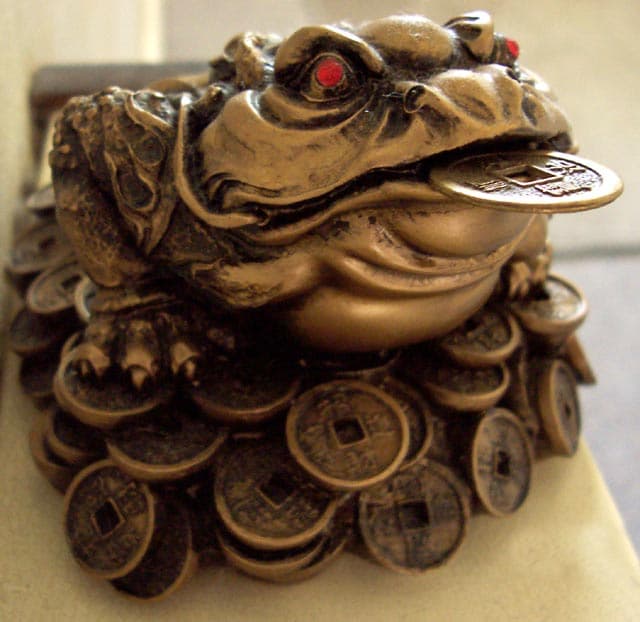
The three-legged toad sitting on coins with a coin in its mouth is one of feng shui's most potent wealth activators, said to attract money and prevent it from leaving.

China
The Laughing Buddha — the round, joyful, sack-carrying monk — is China's most beloved symbol of happiness, wealth, and the simple abundance that comes from contentment.

Japan
The koi fish symbolizes perseverance, ambition, and transformation — the legendary carp that swam upstream and leaped the Dragon Gate to become a dragon.
China
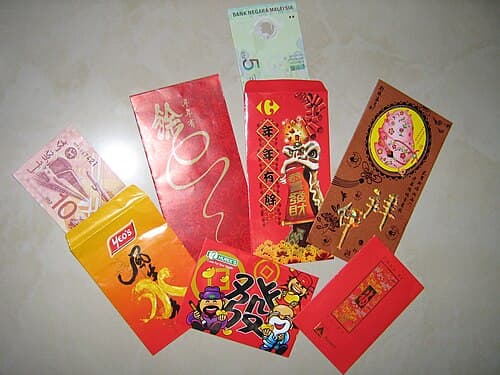
The red envelope (hongbao) is China's most universal good-fortune gift, transferring luck and blessings along with cash at every major life celebration.

Brazil
The golden abundance crystal, known as the Merchant's Stone, carried to attract wealth, success, and the warm energy of solar prosperity.
Behind the mysticism lies a massive commercial machine. From Murano glass evil eyes to mass-produced Maneki-neko, the global lucky charm industry generates over $30 billion annually. Here is how the business of luck really works.
Are lucky charms mere superstition, or is there real psychology — and perhaps even neuroscience — behind why they work? The answer may surprise you.
Your workspace shapes your financial destiny more than you might think. Learn how to apply ancient feng shui principles and the right lucky charms to transform your home office into a magnet for opportunity and prosperity.

