

132
Health
🫙
Wu Lou (Gourd)
China
The Wu Lou bottle gourd is China's most important health and longevity charm, carried by the Eight Immortals and believed to contain the elixir of immortal life.
4.5Learn more →


The peach in Chinese mythology is the fruit of the immortals, ripening once every three thousand years in the garden of the Queen Mother of the West to grant eternal life.
The Peach (Tao, 桃) occupies a position in Chinese mythology that combines the Norse golden apples of Idunn, the Greek ambrosia, and the Judeo-Christian fruit of the Tree of Life in a single fruit. In the mythology centered on the Queen Mother of the West (Xi Wang Mu), the most powerful female deity in Chinese cosmology, a peach tree grows in her heavenly garden whose fruits ripen only once every three thousand years. When they do, the Queen Mother holds a peach banquet (pan tao hui) to which all the immortals are invited, and consumption of a single peach confers an additional three thousand years of life on the immortal who eats it. These are not ordinary peaches but the concentrated life force of heaven itself in edible form.
The most famous mythology involving the peach is the story of Sun Wukong (the Monkey King) from 'Journey to the West,' who was appointed guardian of the Queen Mother's peach garden, ate virtually the entire harvest of immortality peaches, and had to be subdued by the Buddha himself. This story, one of the most beloved in Chinese literature, enshrined the peach as the single most valuable object in the Chinese mythological imagination — worth risking divine retribution to possess.
In everyday Chinese material culture, the peach became the universal symbol of long life, health, and the birthday blessing. Longevity peach buns (shoutao bao) — steamed buns made in the shape of a peach, often colored pink, with sweet bean paste inside — are served at birthday celebrations for the elderly as a direct edible version of the immortality fruit. Jade and porcelain peach figurines are given as birthday gifts, hung as pendants, and placed in homes specifically to invoke the blessing of long, healthy life.
Long life, robust health, the divine gift of continued existence, the protective grace of the Queen Mother of the West extended to ordinary people, and the sweetness of a life lived fully to the end.
Place a jade or porcelain peach figurine in the health area of the home (east sector per bagua) or near the elder members of the household. Give peach-themed gifts (figurines, buns, porcelain) for birthday celebrations, especially milestone birthdays (60th, 70th, 80th, 99th). Wear a jade peach pendant for personal health protection. Serve or gift shoutao bao (longevity peach buns) at New Year and birthday meals.
Sun Wukong's theft of the immortality peaches is so central to Chinese cultural mythology that the number of peaches eaten in the story is precisely documented — he consumed all 3,600 small peaches (granting immortality), 2,400 medium ones (granting flight and rejuvenation), and all ten of the most powerful ones (granting a lifespan matching heaven and earth) — a total that has been analyzed by Chinese scholars for centuries.
Any real peach in Chinese culture carries associations of health and longevity, but the most powerful luck items are the stylized figurative peach forms: jade or porcelain peach sculptures, shoutao bao (pink steamed buns), and the flat peach motif found in decorative arts. A peach from a tree you have grown yourself is considered especially powerful as a personal health blessing.
While the birthday peach tradition is most associated with the elderly (as the wish for long life is most urgent for those who have already lived much of it), peach imagery for health and vitality is appropriate at any age. A young person wearing a jade peach is not premature — it is a wish for the full lifespan they have ahead of them to be healthy and complete.
Three peaches together is considered the most complete arrangement, representing the three thousand years of the Queen Mother's ripening cycle and the three realms of heaven, earth, and humanity. Five peaches represent the five elements and comprehensive good fortune. A single peach is the most personal and direct invocation of individual health and longevity.
China
The Wu Lou bottle gourd is China's most important health and longevity charm, carried by the Eight Immortals and believed to contain the elixir of immortal life.
China
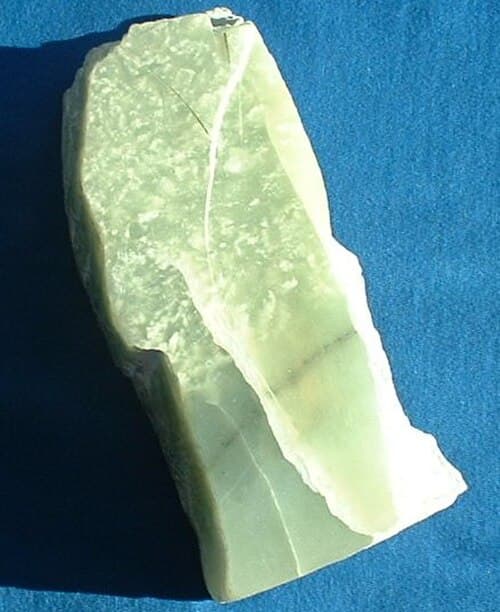
Revered for over 7,000 years, jade is the stone of heaven in Chinese culture, believed to protect health, ward off evil, and connect the wearer to divine virtue.

China
The Laughing Buddha — the round, joyful, sack-carrying monk — is China's most beloved symbol of happiness, wealth, and the simple abundance that comes from contentment.

China
Shuang Xi — the Double Happiness character — is China's most recognized symbol of marital joy, formed by writing the character for 'happiness' twice in a single united form.

