

20
Wealth
🪙
Lucky Penny
United Kingdom
The humble copper coin that promises a turn of fortune when found heads-up.
4.3Learn more →

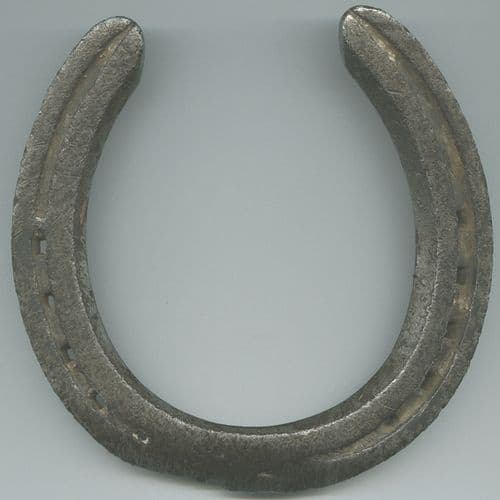
An iron horseshoe hung above doors to collect and hold good luck, one of North America's most enduring folk charms.
Horseshoes arrived in North America with European settlers and took on a vigorous life in the New World, particularly in farming communities where horses were essential to survival and prosperity. The horseshoe's luck associations rest on several foundations: iron was believed to repel evil spirits and faeries in European tradition; the crescent shape echoed the protective power of the moon; and the horseshoe's association with the working horse connected it to themes of strength, endurance, and hard work rewarded.
In American tradition, the debate over horseshoe orientation is earnest and regional. The 'heels up' position — horseshoe hung like a U shape — is said to collect luck in the bowl of the shoe, preventing it from spilling out. This position is predominant in the American South and among many folk magic practitioners. The 'heels down' position — an upside-down U — is said to shower luck down on anyone who passes beneath it, and is the preferred orientation in many parts of Britain and among some American families.
In the American Southwest, horseshoes feature prominently in cowboy and ranch culture, often hung not only above doors but on fence posts, in barns, and over livestock pens. Finding a horseshoe on the road was considered especially lucky, and the finder would pound it above their door before removing it from the location — never carrying it away from its find spot without first marking the location with a nail.
The horseshoe is a symbol of luck, protection, and the rewards of hard work and honest labor. It represents the blessings of the working life and the protection of home and family. Its iron construction wards off malevolent forces, and its association with horses connects it to freedom, power, and the ability to move swiftly through life's challenges.
Hang a horseshoe above your front door with nails driven through the holes in the shoe. Decide your orientation based on your tradition — heels up to collect luck, or heels down to rain luck on all who enter. For portable luck, carry a miniature horseshoe charm or pin one inside your jacket. Gifting a horseshoe to a new homeowner is a time-honored American tradition.
The world's largest horseshoe collection belongs to a man in Ohio who has assembled over 9,000 horseshoes from around the world. American competitive horseshoe pitching has been a recognized sport since the 1800s, with the National Horseshoe Pitchers Association founded in 1914 — suggesting that even the game around this lucky object carries a sporting reverence.
In traditional folk belief, a used horseshoe carries more luck than a new one because it has been charged with the energy of a working horse. Found horseshoes — especially those discovered by chance — are considered the most powerful. However, any horseshoe hung with intention and care will serve as an effective charm.
Most traditions recommend using three nails — an odd number associated with luck and magic. Drive them through the holes in the horseshoe where the nails originally held it to the hoof. Some families use seven nails, as seven is universally considered a lucky number.
A falling horseshoe is sometimes interpreted as the luck being 'used up' or as a warning sign to pay attention to your home's protection. Clean the horseshoe, hold it in your hands, and reset your intention for protection and luck before re-hanging it. Some families replace a fallen horseshoe with a fresh one.
United Kingdom
The humble copper coin that promises a turn of fortune when found heads-up.

United Kingdom
The carried token of the animal renowned across cultures for its fecundity and quick fortune.
United Kingdom
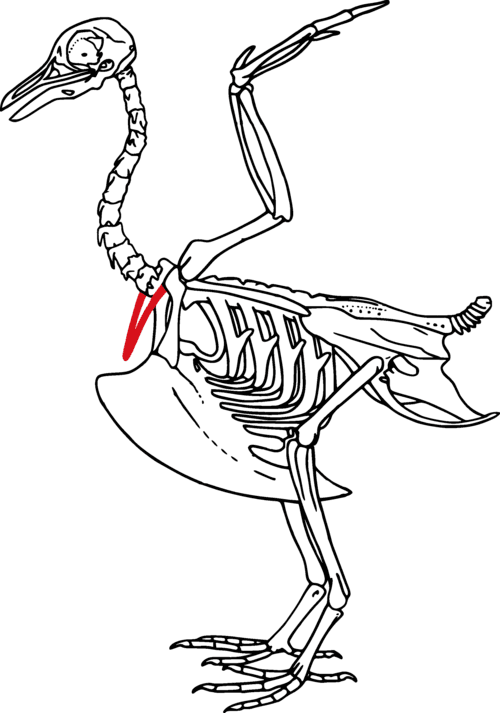
The forked bird bone over which two people compete for their heart's desire.

