Phoenix
Ancient Egypt / Greece
The Phoenix — the mythical bird that rises reborn from its own ashes — is the world's most powerful symbol of resurrection, transformation, and the triumph of the human spirit over adversity.
The Griffin — a creature with the body of a lion and the head and wings of an eagle — is an ancient symbol of divine power, guardianship, and the combined strength of the greatest earthly and aerial creatures.
The Griffin appears in art and literature from ancient Persia, Egypt, and Greece, with some of the earliest depictions found in Bronze Age Crete around 3000 BCE. With the body of a lion — king of the beasts — and the head and wings of an eagle — king of the birds — the Griffin combines the greatest power of earth and sky into a single being. Ancient Greek and Roman writers described Griffins as guardians of gold and treasure in the lands of the Hyperboreans (a mythical northern people), attacking all who tried to steal the riches under their protection.
In heraldic tradition, the Griffin became one of the most popular and prestigious of all mythical beasts, appearing on the coats of arms of noble families, cities, and institutions across Europe. The Griffin on a coat of arms signified valor, strength, military courage, and vigilance over what one is sworn to protect. Philadelphia's mascot, various universities, and dozens of European cities still use the Griffin as a symbol of civic pride and protective strength.
As a luck charm, the Griffin is used for protection of treasures — both material and metaphorical. It is an ideal talisman for those who want to guard their home, investments, or loved ones, and for those who seek the strength to defend what matters most to them.

Guardian power, combined strength of earth and sky, protection of treasures and loved ones, valor, and vigilant watchfulness.
Place a Griffin figurine at the entrance of your home or business to ward off intruders and protect your assets. Wear a Griffin charm when entering a competitive situation that requires both strength and intelligence. Give Griffin-themed gifts to those in protective professions — security, law enforcement, medicine — to honor their guardian role.
The medieval belief that Griffin feathers could restore sight to the blind and Griffin claws could detect poisoned beverages made them among the most sought-after — and most faked — relics in medieval European courts.
In most traditions, the Griffin is a beneficent guardian rather than a threat — dangerous only to those who approach with harmful intentions. For the innocent and virtuous, it is a protector.
In heraldry, the Griffin signifies valor in battle, strength of body and mind, vigilance over one's responsibilities, and the combined virtues of the eagle's keen vision and the lion's courage.
Absolutely. It is an excellent charm for protecting business assets, inspiring leadership, and signaling that the enterprise is guarded by powerful forces. Many successful businesses have incorporated Griffins into their branding for this reason.
Ancient Egypt / Greece
The Phoenix — the mythical bird that rises reborn from its own ashes — is the world's most powerful symbol of resurrection, transformation, and the triumph of the human spirit over adversity.
Ancient Persia / Medieval Europe
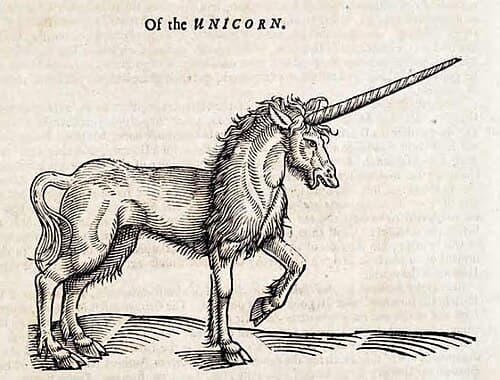
The unicorn — a horse with a single magical horn — has been a symbol of purity, grace, and miraculous luck across cultures for over three thousand years.
Ancient Egypt / Renaissance Europe
The Eye of Providence — an all-seeing eye within a triangle or radiant light — is a symbol of divine omniscience, protection, and the watchful care of the universe over human affairs.