

13
Success
🪲
Scarab Beetle
Egypt
The sacred Egyptian beetle of Khepri, symbol of transformation, rebirth, and the rising sun.
4.6Learn more →

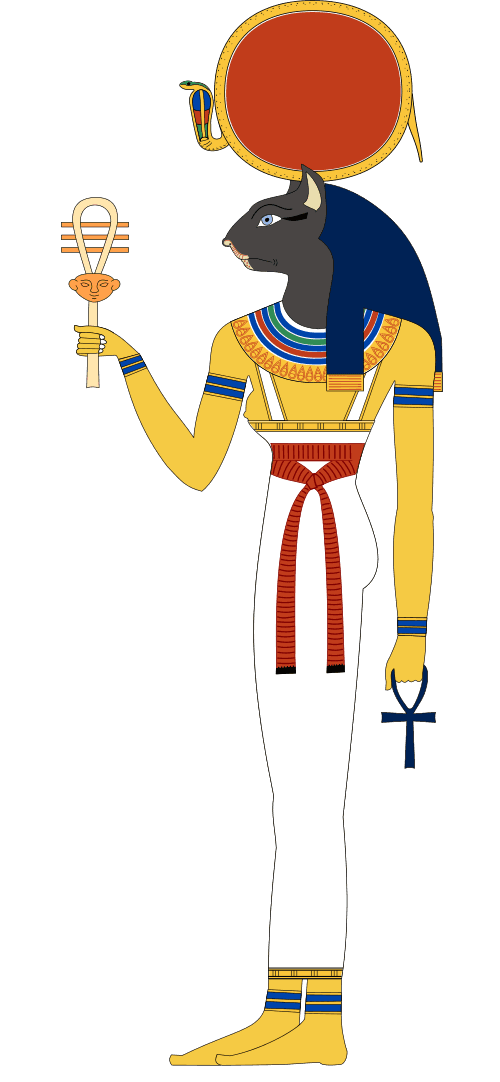
A sacred cat amulet embodying the goddess Bastet's protective warmth, fertility, and fierce maternal love.
The domestic cat was so sacred in ancient Egypt that killing one — even accidentally — could be punishable by death. This reverence arose from the goddess Bastet, originally depicted as a lioness and later as a domestic cat or cat-headed woman, who embodied the dualistic nature of divine feminine power: nurturing warmth and fierce protective ferocity held in perfect balance. As a protector of the home and of women in childbirth, Bastet was among the most beloved and widely worshipped deities in the Egyptian pantheon, with her temple at Bubastis attracting tens of thousands of pilgrims annually for her great festival.
Cat amulets modeled after Bastet were among the most commonly produced Egyptian amulets, found in homes, temples, and tombs across every social class. Bronze cat figurines with gold earrings and nose rings, often holding kittens or nursing young, were placed in household shrines where offerings of food and flowers were made daily. The cats that prowled Egyptian homes and granaries were considered living embodiments of Bastet, and harming them was tantamount to sacrilege — a belief that made cats extraordinarily effective protectors of grain stores from rats and mice, their practical utility reinforcing the theological devotion.
Bastet's cat amulets connect to themes of fertility, protection of children, and the fierce maternal instinct that will destroy what threatens the beloved. In contemporary Egyptian culture, the love of cats remains pronounced, and cat amulets bridging the ancient and modern are found in homes across the country alongside Islamic symbols.
Protection of home and family, fertility, joy, dancing, music, and the fierce love that defends what is dear. Bastet's cat embodies the warmth of the sun's gentle morning rays as distinct from its noon-time destructive heat.
Place a Bastet cat figurine in the home near the entrance for household protection. Gift to pregnant women or new mothers to invoke protective maternal energy. Keep near children's spaces to ensure their safety. Place near musical instruments to bless creative pursuits.
When a beloved cat died in an ancient Egyptian household, the family would shave off their eyebrows as a sign of mourning. Cats were often mummified and buried with great ceremony, and hundreds of thousands of cat mummies have been discovered at sacred sites dedicated to Bastet.
Cats protected grain stores from vermin, which was literally life-saving in an agricultural society dependent on stored grain. They also killed venomous snakes and scorpions around homes. This practical value, combined with their mysterious nocturnal behavior and fierce mothering instincts, made them seem divine.
Both. As a domestic cat goddess she represented home protection, fertility, joy, and music. But she also had a ferocious aspect inherited from her earlier lioness form — she could be a destroyer of enemies. Her dual nature represented the sun's gentle morning warmth and its scorching midday power.
Yes, both as tourist souvenirs and as genuine cultural artifacts. Many Egyptian families keep bronze or ceramic cat figurines in their homes, sometimes alongside Islamic amulets, as part of a layered cultural heritage that acknowledges pre-Islamic Egyptian tradition.
Egypt
The sacred Egyptian beetle of Khepri, symbol of transformation, rebirth, and the rising sun.

Egypt
The ancient Egyptian key of life, a symbol of immortality and the union of masculine and feminine forces.

Egypt
The sacred eye of the falcon god, a powerful amulet of healing, protection, and royal authority.

